For repairing a broken or rotten tooth, dentists usually prescribe one of two basic restorative options: fillings or crowns. Although both are aimed at restoring tooth function and appearance, whether the dentist prescribes one over the other hinges on the severity of the damage, location of the tooth, bite force, and overall health of the patient. Knowing the distinctions will enable you to make the best decisions for your oral health.
What Is a Dental Filling?
A dental filling is employed to repair a tooth with minimal to moderate decay or small damage. After the removal of the decayed part of the tooth, your dentist fills the cavity with materials like composite resin, amalgam, or glass ionomer.
When Fillings Are Recommended:
Small to medium-sized cavities
Minor chips or cracks
Teeth that are still structurally strong
Budget-friendly, quick solution
Benefits of Fillings:
Minimally invasive
Preserves more natural tooth structure
Rapid procedure, usually completed in one visit
Blends tooth color (with composite resin)
What Is a Dental Crown?
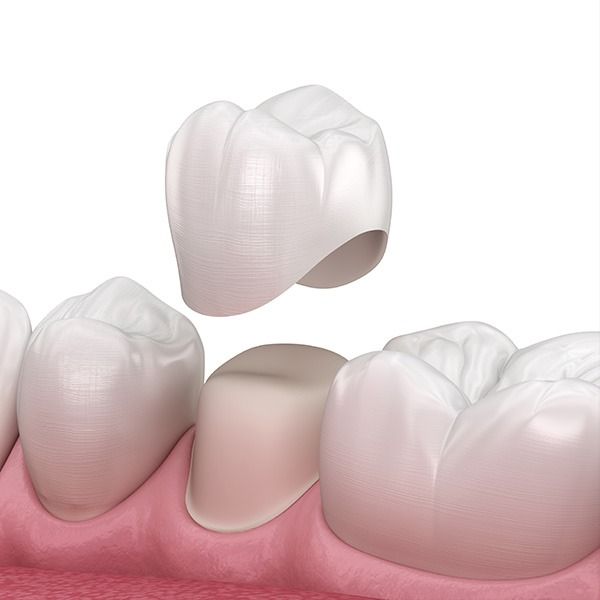
A crown (or cap) is a specially made covering that places over the entire visible portion of the tooth. It’s utilized when a tooth is highly weakened, cracked, or has been greatly restored, like after a root canal procedure.
When Crowns Are Recommended:
Extensive damage or decay areas
Following root canal therapy
To cover a broken or cracked tooth
When there is extensive filling or frequent treatment
To support bridges of teeth or cap implants
Advantages of Crowns:
Offers maximum coverage and long-term strength
Safeguards damaged teeth from more injury
Long-lasting and strong
Enhances tooth appearance (shape, size, color)
Important Things Dentists Consider
Amount of Damage
A tiny cavity? A filling might be enough.
A huge crack or structurally weakened tooth? A crown provides greater protection.
Location of Tooth
Back teeth (molars) withstand greater chewing pressure and might require crowns.
Front teeth can usually be repaired using fillings if the damage is minor.
Prior Dental Work
A tooth with existing multiple fillings could be too weak to take another and might need a crown.
Aesthetics and Durability
Although fillings are adequate for minor repairs, crowns provide a more long-lasting, as well as more pleasing, solution for larger problems.
Cost and Time Factors
Fillings typically cost less and are done in one visit.
Crowns take two visits (one preparation, one placement), but same-day crowns are available with digital technology at some clinics.
Conclusion
Both fillings and crowns serve critical functions in restorative dentistry. Your dentist will assess your individual case—taking into account structural soundness, oral hygiene, and bite function—to provide the best treatment.
If you’re unsure whether your tooth needs a filling or a crown, expert guidance makes all the difference. At Dentique Dental Clinic, Wakad, Dr. Nupur, a skilled dental surgeon specializing in restorative and cosmetic dentistry, offers personalized assessments and evidence-based treatment plans to restore both function and aesthetics. With a patient-first approach and modern dental technology, she ensures every smile receives the care it deserves.