Oral health is a reflection of overall well-being, yet lifestyle habits like smoking and alcohol consumption can have serious consequences for your teeth, gums, and mouth. While occasional indulgence might seem harmless, prolonged use of tobacco and alcohol can lead to a wide range of dental problems—from cavities and gum disease to oral cancer. Understanding these effects is essential for maintaining a healthy, confident smile.
How Smoking Affects Your Oral Health
Smoking is one of the most damaging habits for oral health. The chemicals in tobacco, such as nicotine and tar, not only stain teeth but also harm the delicate tissues inside your mouth. Here are some of the most common effects:
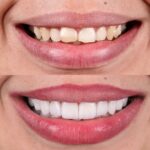
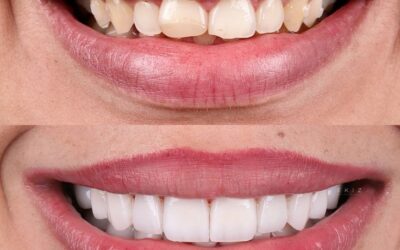
- Tooth Discoloration: Smoking causes yellowing and brown stains on the teeth, making even the brightest smiles look dull. Over time, these stains can become permanent without professional dental cleaning.
- Gum Disease: Tobacco use reduces blood flow to the gums, weakening the body’s natural defenses and making it harder for gum tissue to heal. This increases the risk of gingivitis (early gum inflammation) and periodontitis (advanced gum disease), which can lead to severe discomfort and tooth loss.
- Tooth Loss: Gum disease and weakened oral tissues caused by smoking can result in teeth becoming loose or falling out. This is particularly concerning for older adults or those already prone to dental issues.
- Bad Breath (Halitosis): Smoking leaves an unpleasant odor in the mouth that brushing alone cannot fully eliminate. Chronic smokers often experience persistent bad breath.
- Increased Risk of Oral Cancer: Smoking is a major risk factor for cancers of the mouth, tongue, lips, and throat. Regular dental check-ups are crucial for early detection, as early-stage oral cancers often show subtle signs.
- Delayed Healing After Dental Procedures: Smokers are more likely to experience complications or slower recovery after dental surgeries, extractions, or implants due to reduced blood flow and compromised immunity.
How Alcohol Affects Your Oral Health
While alcohol consumption is socially common, excessive or regular intake can also harm your oral health in several ways:
- Dry Mouth: Alcohol reduces saliva production, and saliva is essential for washing away food particles and neutralizing acids produced by bacteria. A dry mouth increases the risk of cavities, tooth decay, and gum infections.
- Gum Irritation and Disease: Alcohol can irritate soft tissues in the mouth, making gums more susceptible to inflammation, bleeding, and infection. Over time, this may contribute to periodontal disease.
- Tooth Decay: Many alcoholic drinks, especially cocktails, contain high levels of sugar. Frequent exposure to sugar feeds harmful bacteria in the mouth, accelerating enamel erosion and cavity formation.
- Increased Risk of Oral Cancer: Like tobacco, chronic alcohol use significantly increases the risk of cancers of the mouth, tongue, throat, and pharynx. The risk is particularly high when smoking and drinking occur together.
The Combined Impact of Smoking and Alcohol
When smoking and alcohol use are combined, the effects on oral health are amplified. Research shows that individuals who both smoke and consume alcohol heavily are at a much higher risk of developing oral cancers and severe periodontal disease compared to those with only one of these habits. These lifestyle choices not only affect teeth and gums but can also impact overall health, including heart and digestive health.
Tips for Protecting Your Oral Health
While the risks are serious, there are steps you can take to minimize damage and maintain a healthy mouth:
- Quit or Reduce Smoking: The sooner you quit, the faster your oral health can begin to recover. Dental professionals can provide support and resources for quitting.
- Moderate Alcohol Consumption: Limiting intake and avoiding sugary alcoholic drinks can help protect your teeth and gums.
- Maintain a Strong Oral Hygiene Routine: Brush twice a day, floss daily, and use an antiseptic mouthwash to reduce bacterial buildup.
- Regular Dental Check-Ups: Routine dental visits help detect problems early, particularly gum disease or precancerous changes.
- Stay Hydrated: Drinking plenty of water helps combat dry mouth caused by alcohol and supports overall oral health.
Conclusion
With more than ten years of experience in cosmetic and restorative dentistry, Dr. Nupur is renowned for her gentle approach and precision-driven care. At Dentique Dental Clinic in Wakad, she provides personalized dental solutions tailored to every patient’s needs—from routine check-ups to smile makeovers and advanced restorative treatments. By prioritizing expert care, she helps patients maintain optimal oral health, even in the face of challenges like the effects of smoking and alcohol.