Common dental problems do not develop overnight. Conditions such as cavities, gum infections, tooth sensitivity, and even tooth loss usually occur due to long-term neglect of oral hygiene. Preventive dentistry focuses on stopping these problems before they start, helping you maintain good oral health while saving time, money, and discomfort.
By adopting simple daily habits and visiting your dentist regularly, you can significantly reduce the need for expensive and complex dental procedures in the future.
What Is Preventive Dentistry?
Preventive dentistry is an approach that focuses on maintaining oral health and preventing dental issues before they arise. It involves a combination of:
- Good daily oral hygiene practices
- Regular dental check-ups
- Professional dental cleanings
- Early diagnosis and timely intervention
Preventive care is suitable for patients of all ages and forms the foundation of long-term dental health.
How Preventive Dentistry Saves Time and Money
Advanced dental problems often require multiple dental visits, extensive treatments, and longer recovery periods. Preventive dentistry helps by:
- Reducing emergency dental visits
- Lowering the need for fillings, root canals, and tooth extractions
- Minimizing overall treatment costs
- Preserving natural teeth for a longer time
A small investment in routine dental care today can prevent major expenses later.
Importance of Morning and Bedtime Oral Hygiene
Brush Twice Daily the Right Way
Brushing your teeth twice a day is one of the most effective ways to prevent dental problems. Use a soft-bristled toothbrush and fluoride toothpaste.
Proper brushing:
- Protects tooth enamel
- Reduces plaque buildup
- Helps prevent gum inflammation
Brushing for at least two minutes ensures thorough cleaning of all tooth surfaces.
Do Not Skip Flossing
Flossing cleans areas that a toothbrush cannot reach, especially between teeth and along the gumline. Daily flossing:
- Reduces plaque formation
- Helps prevent gum disease
- Minimizes bad breath
Skipping flossing allows bacteria to grow in hidden areas, leading to long-term dental issues.
Smart Eating Habits for Better Oral Health
Limit Sugary and Acidic Foods
Frequent consumption of sugary snacks and acidic foods can weaken tooth enamel and increase the risk of cavities. Reducing sugar intake helps protect both teeth and gums.
Choose tooth-friendly foods such as fruits, vegetables, nuts, and dairy products.
Stay Hydrated
Drinking enough water helps wash away food particles and bacteria. Water also supports saliva production, which naturally protects teeth from decay and acid attacks.
Early Detection Helps Prevent Major Treatments
Regular dental visits allow dentists to detect problems at an early stage, when they are easier and more affordable to treat. Issues such as cavities, gum disease, and enamel erosion can be managed before they worsen.
Routine check-ups also help monitor overall oral health consistently.
Importance of Professional Dental Cleaning
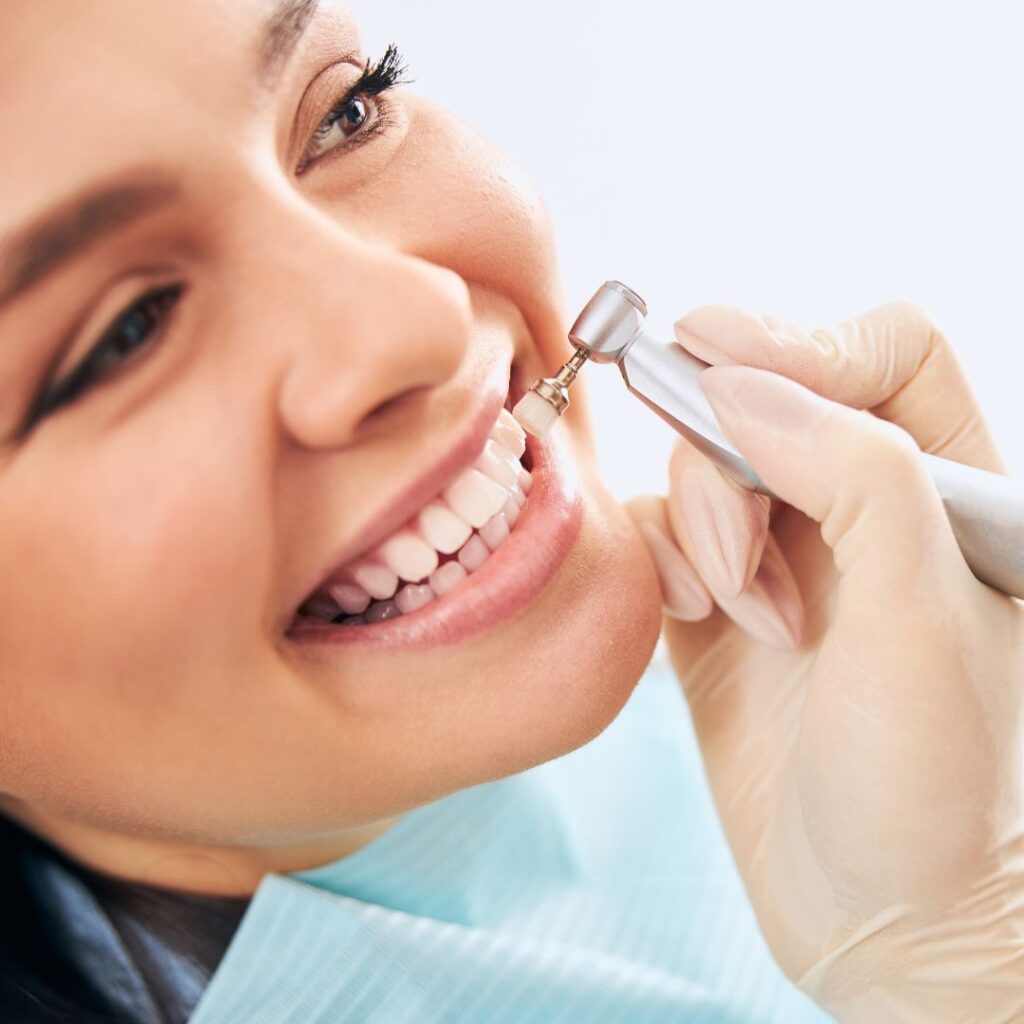
Even with excellent home care, plaque and tartar can accumulate over time. Professional dental cleaning:
- Removes hardened tartar
- Helps prevent gum disease
- Improves breath freshness
This is a simple preventive measure that can significantly reduce the need for more extensive dental procedures.
Preventive Treatments for a Healthy Smile
Fluoride Treatment
Fluoride strengthens tooth enamel and increases resistance to decay. It is especially beneficial for children and individuals prone to cavities.
Dental Sealants
Dental sealants create a protective barrier on the chewing surfaces of teeth, preventing food and bacteria from settling in deep grooves. They are commonly recommended for children and teenagers but can also benefit adults.
Habits That Support Long-Term Dental Wellness
Certain habits can damage teeth and undo preventive efforts, such as:
- Chewing ice or hard objects
- Using teeth to open packages
- Smoking or tobacco use
- Ignoring teeth grinding
Avoiding these habits helps prevent tooth cracks, gum disease, and premature tooth loss.
Preventive Dentistry for Children and Adults
Building Healthy Smiles from Childhood
Establishing good oral habits early helps prevent cavities and dental anxiety later in life. Regular dental visits during childhood encourage lifelong oral hygiene habits.
Adult Preventive Care Is Equally Important
Preventive dentistry is essential at every age. For adults, it helps prevent gum disease, tooth loss, and the need for costly restorative treatments.
Preventive Dentistry and Overall Health
Oral health is closely linked to overall well-being. Poor dental health has been associated with conditions such as heart disease and diabetes. Preventive dentistry supports:
- Better digestion
- Reduced inflammation
- Improved overall health
A healthy mouth contributes to a healthier body.
Conclusion: Small Habits, Big Savings
Preventive dentistry is one of the smartest investments you can make for your health. It does not require major effort or expense. Simple habits such as brushing, flossing, eating well, and visiting the dentist regularly can make a significant difference.
By focusing on prevention rather than treatment, you protect not just your smile but your overall quality of life. Consistent preventive care ensures a healthier, confident smile for years to come.