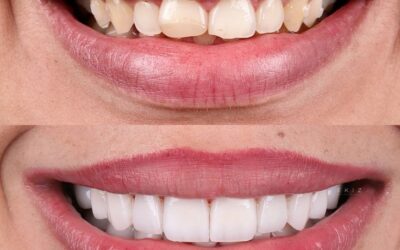
Dental restorations play a vital role not only in repairing damaged teeth but also in restoring confidence, comfort, and proper oral function. Whether it is a filling, crown, bridge, veneer, or dental implant, a well-done restoration should look natural, feel comfortable, and last for many years.
With advancements in modern dentistry, materials and techniques have significantly improved. However, the durability of a dental restoration depends on more than just technology. Understanding the secrets behind long-lasting dental restorations helps patients make informed decisions and protect their investment in oral health.
What Is a Dental Restoration?
A dental restoration refers to any procedure used to repair or replace damaged, decayed, or missing teeth. Common types of dental restorations include:
- Tooth-colored fillings
- Dental crowns
- Dental bridges
- Veneers
- Dental implants
Each restoration is designed to restore the tooth’s function, strength, and appearance while blending seamlessly with the natural smile.
Secret 1: Correct Diagnosis and Treatment Planning
The Foundation of Long-Lasting Results
A successful dental restoration begins with an accurate diagnosis and detailed treatment planning. Before starting treatment, dentists carefully evaluate:
- The extent of tooth damage
- Gum health
- Bite alignment
- Bone support, especially for implants
Modern diagnostic tools such as digital X-rays and scans allow precise planning. Proper evaluation ensures a better fit, improved function, and longer lifespan of dental restorations.
Secret 2: High-Quality Dental Materials
Choosing the Right Material Makes a Difference
The longevity of dental restorations largely depends on the materials used. High-quality materials provide strength, durability, and aesthetic appeal.
Commonly used materials include:
- Composite resin for natural-looking fillings
- Ceramic or zirconia for crowns and veneers
- Titanium for dental implants
Premium materials resist wear, staining, and fracture, helping restorations maintain their function and appearance over time.
Secret 3: Precision and Skill of the Dentist
Experience Truly Matters
Even the best materials can fail if they are not placed correctly. A skilled dentist ensures:
- Proper tooth preparation
- Accurate fit and alignment
- Balanced bite pressure
Precision reduces complications such as sensitivity, cracks, or early failure. Attention to detail is one of the most important factors in achieving long-lasting dental restorations.
Secret 4: Proper Bonding and Cementation
Securing the Restoration
Strong bonding is essential for restorations like crowns, veneers, and fillings. Effective bonding and cementation:
- Prevent leakage and decay beneath restorations
- Improve stability and comfort
- Reduce the risk of loosening or breakage
Advancements in dental bonding techniques allow restorations to integrate seamlessly with natural tooth structure.
Secret 5: Healthy Gums and Supporting Structures
A Strong Foundation for Long-Term Success
Healthy gums are just as important as healthy teeth. The lifespan of dental restorations depends on:
- Absence of gum infections
- No active gum disease
- Adequate bone support
Untreated gum problems can compromise even the most well-placed restorations. Maintaining gum health is essential for long-term success.
Secret 6: Correct Bite Alignment
Balanced Bite Prevents Damage
An improper bite can place excessive pressure on restorations, causing them to wear or break prematurely. Dentists check bite alignment to ensure:
- Even distribution of chewing forces
- Smooth jaw movement
- Reduced stress on restored teeth
Correcting bite issues improves comfort and significantly increases the durability of restorations.
Secret 7: Patient Oral Hygiene Habits
Daily Care Makes a Big Difference
No dental restoration can last without proper home care. Patients can protect their restorations by:
- Brushing twice daily
- Flossing once a day
- Using dentist-recommended oral care products
Good oral hygiene prevents plaque buildup, cavities, and gum disease around restorations.
Secret 8: Lifestyle Choices and Habits
Avoiding Harmful Practices
Certain habits can shorten the lifespan of dental restorations, including:
- Chewing ice or hard objects
- Teeth grinding or clenching
- Smoking or tobacco use
For patients with teeth grinding, night guards may help protect restorations from excessive pressure.
Secret 9: Regular Dental Check-Ups
Early Detection Prevents Bigger Problems
Routine dental visits allow early detection of potential issues. During check-ups, dentists:
- Assess the condition of restorations
- Clean hard-to-reach areas
- Monitor gum health
Regular professional care helps keep restorations functional and attractive for years.
How Long Can Dental Restorations Last?
With proper care and professional expertise:
- Fillings may last 7 to 10 years
- Crowns and bridges can last 10 to 15 years or longer
- Dental implants can last for decades
Longevity depends on material quality, oral hygiene, and overall oral health.
Conclusion: The Art and Science of an Enduring Smile
A long-lasting dental restoration is the result of careful planning, advanced materials, skilled dentistry, and consistent patient care. From accurate diagnosis and precise treatment to healthy gums and good oral hygiene, every step plays a crucial role.
When done correctly, dental restorations restore not only teeth but also confidence and quality of life. The key to maintaining a healthy, beautiful smile for years lies in the choices made by both the dentist and the patient.