When Should You Remove a Wisdom Tooth? Complete Guide
Wisdom teeth are the last set of molars that usually appear between the ages of 17 and 25. For some people, they come in without causing any trouble. But for many others, they can lead to pain, swelling, infection, or even crowding of nearby teeth. This often brings up an important question—when is the right time to remove a wisdom tooth?
Knowing when to act can save you from bigger dental problems later. If you’re already feeling discomfort, it’s a good idea to consult a dentist in Wakad, such as Dentique Dental Clinic, to get the right advice at the right time.
What Are Wisdom Teeth and Why Do They Cause Problems?
Wisdom teeth are the third set of molars located at the very back of your mouth. Because modern jaws are often smaller, there usually isn’t enough space for these teeth to grow properly.
When there’s limited space, wisdom teeth may:
- Grow at an angle
- Get stuck under the gum (impacted tooth)
- Partially erupt
- Push against nearby teeth
These issues can lead to pain, swelling, infection, and sometimes even damage to surrounding teeth.
Signs You May Need Wisdom Tooth Removal
Not every wisdom tooth needs to be removed, but certain symptoms are clear warning signs. You should consider removal if you notice:
Pain at the Back of the Mouth
Ongoing or recurring pain in the back of your jaw is one of the most common signs. It may get worse while chewing or even when opening your mouth.
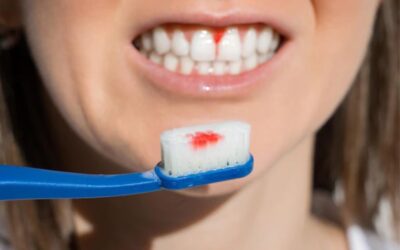
Swollen or Bleeding Gums
If the gums around your wisdom tooth feel tender, swollen, or bleed easily, it could be a sign of infection or difficulty in cleaning that area.
Jaw Stiffness or Difficulty Opening Mouth
A tight or painful jaw can sometimes be caused by pressure from an impacted wisdom tooth.
Bad Breath or Unpleasant Taste
Partially erupted wisdom teeth can trap food easily, leading to bacterial growth, bad breath, and an unpleasant taste.
Crowding of Other Teeth
Wisdom teeth can push against nearby teeth, causing misalignment—especially if you’ve already had orthodontic treatment.
Repeated Infections (Pericoronitis)
Frequent infections around a partially erupted tooth can cause swelling, pain, and discomfort, and usually require removal.
When Is the Right Time to Remove a Wisdom Tooth?
The right time depends on your symptoms, tooth position, and overall oral health. However, dentists often recommend early removal in situations like:
- The tooth is impacted or growing sideways
- You experience repeated pain or infection
- It is affecting nearby teeth
- There are cysts or decay around the tooth
- There isn’t enough space for proper eruption
Removing the tooth early is usually simpler, less painful, and heals faster compared to waiting too long.
What Happens If You Delay Wisdom Tooth Removal?
Delaying treatment can lead to more serious problems, such as:
- Severe pain and swelling
- Infection spreading to nearby gums or jaw
- Damage to healthy teeth
- Formation of cysts or cavities
- Difficulty in chewing or opening your mouth
In some cases, waiting too long can make the procedure more complicated than necessary.
How Is Wisdom Tooth Removal Done?
Wisdom tooth removal is a common and safe dental procedure, usually performed under local anesthesia. Your dentist will first take X-rays to understand the exact position of the tooth.
Depending on the case, the procedure may involve:
- Simple extraction (for teeth that have fully come out)
- Surgical extraction (for impacted teeth)
In surgical cases, a small cut is made in the gum, and the tooth may be divided into smaller parts for easier removal. The procedure is generally smooth and causes minimal discomfort.
Recovery After Wisdom Tooth Removal
Recovery usually takes a few days to a week, depending on how complex the extraction was. It’s normal to experience mild swelling, slight discomfort, or limited mouth opening for a short time.
To heal faster and avoid complications:
- Avoid hard or spicy foods for a few days
- Do not smoke or use straws
- Maintain gentle oral hygiene
- Take medications as prescribed
- Use a cold compress to reduce swelling
Following your dentist’s instructions carefully makes recovery much easier.
Do All Wisdom Teeth Need to Be Removed?
No, not all wisdom teeth need to be removed. If a wisdom tooth:
- Grows in the right position
- Has enough space
- Is easy to clean
- Doesn’t cause pain or infection
Then it can be left as it is. However, regular dental check-ups are important to monitor its condition over time.
Importance of Consulting a Dentist Early
Getting your wisdom teeth checked early can prevent future complications. A dentist can evaluate whether your tooth is likely to cause problems or remain harmless.
Clinics like Dentique Dental Clinic use X-rays and modern diagnostic tools to create the right treatment plan for you. Whether it’s a simple extraction or a surgical procedure, timely care leads to better results and a smoother experience.
Conclusion
Wisdom tooth removal isn’t always necessary, but ignoring the signs can lead to serious dental issues. Pain, swelling, infection, crowding, and difficulty in chewing are all signals you shouldn’t overlook. Acting early and consulting a dentist can help you avoid complications and make the entire process much easier and safer.
Take small steps today, and your teeth will thank you for years to come.
Visit for complete dental care:
Dentique Dental Clinic 1
PALASH PLUS, Shop No. 9, Kaspate Wasti Rd, Opposite Gold’s Gym, Wakad, Pune
Mobile no: +919742807286
Dentique Dental Clinic 2
Ground Floor, Besides, Sujata Mastani, Shop no.7, Sonigara Laurel, Mankar Chowk Rd, Kaspate Wasti, Wakad, Pune, Maharashtra 411057
Mobile No: +917903945606